
How Accumulation Systems Prevent Costly Packaging Downtime
Industry Data & Insights
As food manufacturers continue introducing more products, flavors, package sizes, and production runs, packaging systems are becoming increasingly dynamic and less predictable.
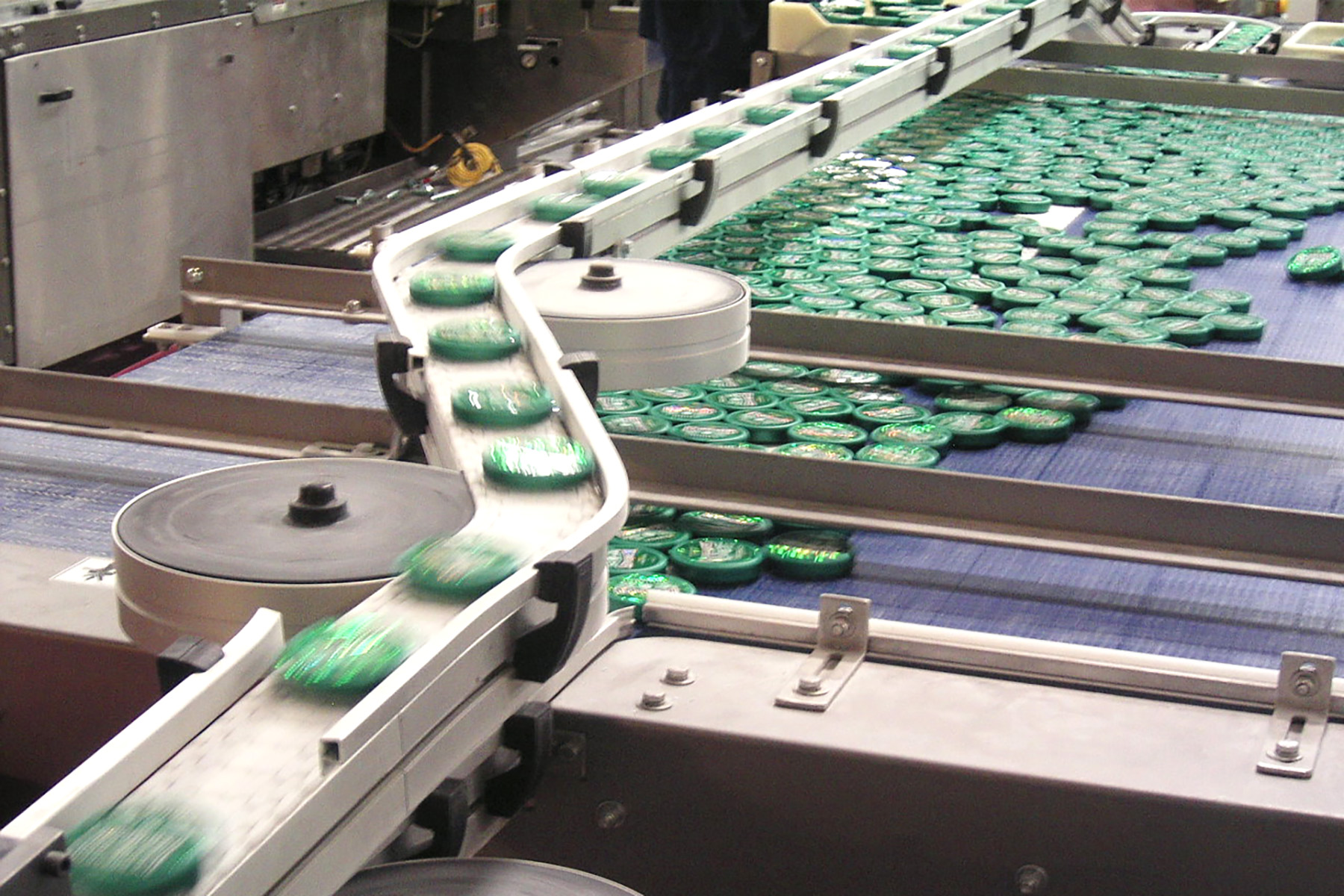
Industry observers frequently point to accumulation as one of the simplest ways to improve line efficiency because it isolates upstream and downstream disruptions from affecting the entire production process.
Industry Example
A tortilla chip manufacturer running multiple bag sizes may experience:
- Film roll changes
- Label adjustments
- Carton replenishment
Without accumulation, these events stop upstream production.
With accumulation, upstream processing continues running while downstream equipment recovers.
Small Interruptions Shouldn’t Stop Your Entire Line
Every food manufacturing line experiences brief interruptions. Film changes, carton replenishment, quality checks, and operator adjustments are part of normal operations. The difference between high-performing facilities and underperforming facilities is how those interruptions are managed. Strategic accumulation zones allow production lines to absorb temporary disruptions without immediately affecting upstream processes. Instead of creating a chain reaction that shuts down multiple machines, accumulation provides operational flexibility that maintains throughput, improves equipment utilization, and reduces unnecessary stop-start cycles throughout the facility.
FAQ
What food industries does NCC Automated Systems serve?
NCC Automated Systems provides sanitary conveyor and automation solutions for bakeries, snack foods, fresh produce, dairy, frozen foods, prepared meals, protein processing, confectionery, pet food, and other food manufacturing environments.
How can conveyor automation improve food manufacturing efficiency?
Conveyor automation improves product flow, reduces manual handling, increases throughput, supports sanitation objectives, and helps manufacturers maximize Overall Equipment Effectiveness (OEE).
What is sanitary conveyor design?
Sanitary conveyor design focuses on cleanability, washdown capability, reduced harborage points, proper drainage, and simplified maintenance to support food safety initiatives.
Can NCC systems integrate with existing equipment?
Yes. NCC solutions can integrate with weighers, baggers, tray sealers, metal detectors, vision inspection systems, case packers, palletizers, robotics, and other processing or packaging equipment.
How do accumulation systems improve performance?
Accumulation systems absorb temporary disruptions, reduce line stoppages, maintain product flow, and improve packaging line throughput.
Does NCC provide custom automation solutions?
Yes. NCC designs custom sanitary conveying, product handling, accumulation, distribution, and integrated automation systems tailored to customer requirements.
Have a Conveying Project You’d Like to Discuss?
Whether you’re looking to improve sanitation, reduce changeover time, eliminate bottlenecks, increase throughput, or automate product handling, NCC Automated Systems can help.
NCC Automated Systems helps food manufacturers improve product flow, food safety, and operational efficiency through:
✅ Sanitary Conveyor Systems
✅ Product Elevation & Transfer Solutions
✅ Accumulation & Buffering Systems
✅ Product Distribution & Laning
✅ Gentle Product Handling Solutions
✅ Ready-to-Eat (RTE) Food Conveying
✅ Washdown & Hygienic Equipment Design
✅ Packaging Line Integration
✅ Custom Food Automation Systems
✅ Turnkey Material Handling Projects
✅ Product Elevation & Transfer Solutions
✅ Accumulation & Buffering Systems
✅ Product Distribution & Laning
✅ Gentle Product Handling Solutions
✅ Ready-to-Eat (RTE) Food Conveying
✅ Washdown & Hygienic Equipment Design
✅ Packaging Line Integration
✅ Custom Food Automation Systems
✅ Turnkey Material Handling Projects
Email: info@nccas.com or chat with us live during business hours.
Inquiry Form: Submit your application details through our online project inquiry form and a member of our engineering team will review your requirements and recommend the best solution for your operation.
From concept to commissioning, NCC helps food manufacturers move products more efficiently, safely, and reliably.