
Optimizing Line Integration: Why Sanitary Conveyors Are the Backbone of Food Safety & Throughput
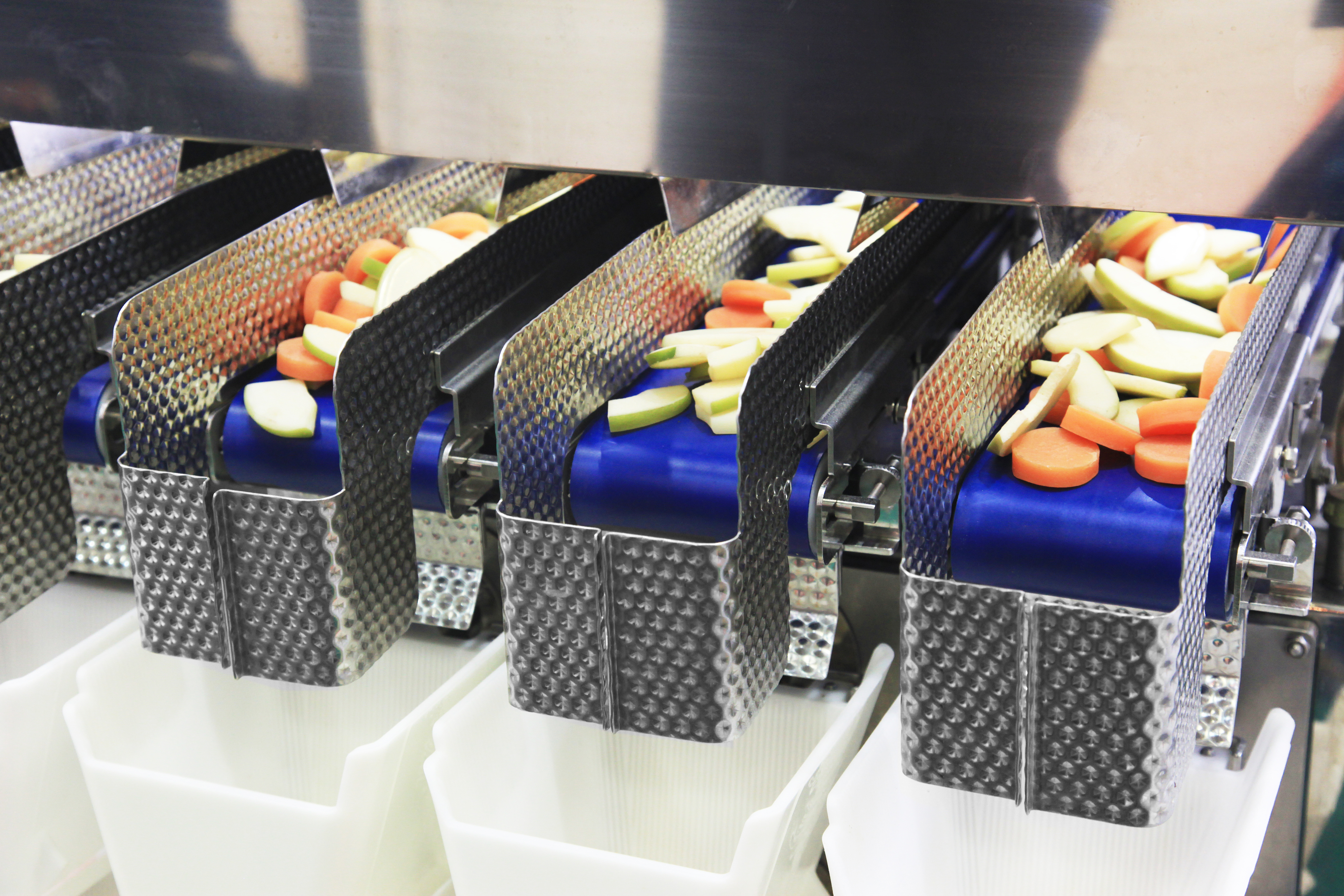
When designing or upgrading a food processing or packaging line, plant engineers often focus their capital expenditure on high-visibility primary machinery—form-fill-seal machines, robotic cartoners, or multi-head weighers. However, the true determinator of overall equipment effectiveness (OEE) and food safety frequently lies in between those machines: the conveying system.
A poorly specified conveyor isn’t just a physical bottleneck; in high-hygiene food environments, it can become a primary vector for harborage, cross-contamination, and costly unscheduled downtime.
Bridging the gap between maximum line velocity and strict regulatory compliance (FSMA, FDA, and USDA) requires viewing sanitary conveyors not as passive transport, but as engineered processing assets.
1. Navigating Food-Grade vs. True Washdown Construction
One of the most frequent specification missteps in food processing is confusing standard food-grade materials with true sanitary washdown design.
-
Standard Food-Grade Conveyors: Utilize FDA-approved belting materials (such as modular plastic or smooth TPU) but may retain standard frame geometries, open fasteners, or hollow tubing where moisture and organic matter can hide.
-
Sanitary Washdown Conveyors: Engineered from the ground up to eliminate harborage points. Key structural details include continuous weld seams, solid round-stock frame legs, slotted frame members, angled shed surfaces to prevent standing water, and quick-release belting for rapid internal sanitation.
In high-risk areas like raw protein processing or ready-to-eat (RTE) packaging, true washdown capability dramatically reduces chemical usage, labor hours during sanitation shifts, and swab test failures.
2. Solving Space Constraints with Modular Geometry
Modern food processing facilities are rarely granted unlimited floor space. Adding new product lines or upgrading existing capacity requires intelligent spatial design.
Custom conveying geometries—such as Z-shaped vertical elevators, alpine accumulators, and modular plastic chain systems (like FlexMove)—allow facilities to transport products across multiple elevations without sacrificing floor area.
-
Vertical Elevation Gains: Moving product over walkways or overhead clearance zones frees up valuable floor space for packaging equipment or worker safety corridors.
-
Gentle Handling: In incline and drop transitions, maintaining precise product orientation is critical for delicate baked goods, fresh produce, or packaged meat to prevent product damage before final case packing.
3. The Unseen Cost of Conveyor Downtime
Conveyors operate continuously across multiple shifts. When a conveyor bearing fails or a belt misaligns, the downstream machines starve, upstream machines back up, and the entire production line grinds to a halt.
The true cost of conveyor downtime includes:
-
Lost Production Output: Hourly line burn rates in high-speed packaging can run into thousands of dollars per minute.
-
Scrapped Product: Perishable items held on stopped belts often must be dumped due to temperature limits or quality standards.
-
Emergency Maintenance Costs: Rush fees for replacement parts and overtime labor for urgent repairs.
Integrating quick-change wear components, toolless belt removal systems, and sealed-for-life bearing assemblies mitigates these risks, turning material handling into a predictable, low-maintenance operation.
Engineering a Seamless Conveying Ecosystem
Achieving optimal line balance requires an integrated approach to controls, transfer points, and sanitation standards. By matching the specific hygienic demands of your product—whether bakery, dairy, produce, or protein—with precision-engineered conveying solutions, you protect both product integrity and operational profitability.